Virginia Personal Injury Lawyers
When a serious injury turns your life upside down, the last thing you should have to worry about is whether your lawyer will call you back, explain your options, or take the time to truly understand what you are going through. At Montagna Law, we believe injured people deserve to be treated like more than a case number. They deserve direct access to their attorney, clear answers, and relentless advocacy focused on real results. Our experienced Norfolk, Newport News & Virginia Beach injury lawyers represent individuals and families throughout the Hampton Roads area who have been harmed by another’s negligence. Our practice focuses heavily on car accidents, truck accidents, and maritime injuries that occur aboard commercial vessels or while working offshore. Whether your case involves a crash on I-64, a collision with a commercial truck near the port, or a serious injury sustained while working on or near navigable waters, our firm is prepared to help you pursue full and fair compensation.
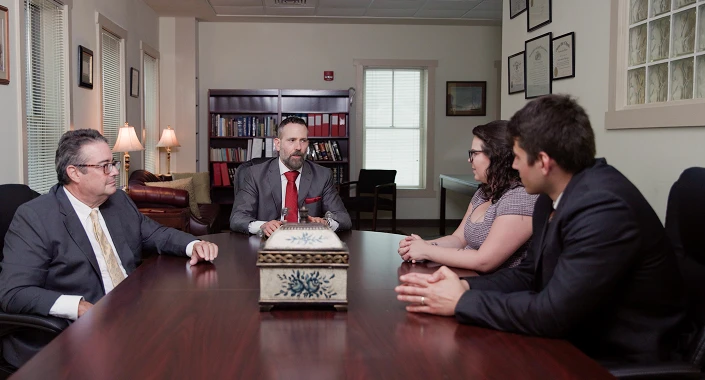
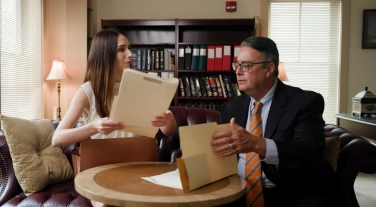
From the moment you contact us, you will know who your lawyer is, how to reach them, and what to expect. We are available when you need us, whether that means meeting in person, speaking by phone, or connecting by video. Your case moves at your pace, with your needs guiding every decision.
A Client-First Approach Built on Access and Trust
Many injury victims feel frustrated by law firms that promise personal attention but deliver layers of staff, delayed responses, and uncertainty about who is actually handling the case. Montagna Law was built to be different. We prioritize accessibility, communication, and care because we know those qualities matter when someone is facing pain, stress, and financial pressure.
When you hire our firm, you work directly with your attorney. You can call anytime with questions or concerns. We’ll keep you informed about developments in your case and explain legal strategies in plain language so you can make confident decisions about your future. Whether your case resolves through negotiation or requires aggressive litigation, you are never left wondering what is happening behind the scenes.
This personal approach does not come at the expense of results. We combine attentive client service with thorough preparation, detailed investigation, and a willingness to stand up to insurance companies and corporate defendants that refuse to take responsibility. From slip and fall accidents at local businesses to complex medical malpractice claims, we bring the same level of commitment to every client we represent.
Car Accident Representation
Car accidents are one of the leading causes of serious injury in Norfolk and across Virginia. Congested highways, commuter traffic, distracted driving, and aggressive behavior all contribute to collisions that leave victims with lasting physical and emotional harm. Our Norfolk car accident lawyers see firsthand how even crashes that seem minor at first can result in chronic pain, lost income, and long-term medical needs.
Our Norfolk personal injury lawyers handle all types of car accident cases, including rear-end collisions, intersection crashes, drunk driving accidents, and high-speed highway wrecks. We work to identify all responsible parties, gather critical evidence, and accurately calculate the full scope of your damages. That includes not only medical bills and lost wages, but also pain and suffering, emotional distress, and the impact the injury has had on your daily life.
Insurance companies often move quickly to minimize payouts, usually before the full extent of an injury is known. We step in early to protect your rights, handle communications, and ensure that any settlement reflects what you truly need to recover and move forward. Victims involved in hit-and-run accidents or collisions with uninsured drivers face additional obstacles that require strategic legal guidance from day one.
Our car accident practice also extends to crashes involving distracted drivers, rideshare vehicles, and multi-vehicle pileups that are common along the busy corridors connecting Norfolk, Newport News, and Virginia Beach. Whether you suffered whiplash, a broken bone, or a more severe condition like a traumatic brain injury or spinal cord injury, we fight to make sure the compensation you receive reflects the true cost of your recovery.
Truck Accident Claims Involving Serious Injuries
Truck accidents often result in catastrophic injuries due to the size and weight of commercial vehicles. In a port city like Norfolk, collisions involving tractor-trailers, delivery trucks, and commercial fleets are especially common. Our Norfolk truck accident lawyers understand that these cases are far more complex than standard car accident claims and require immediate, skilled legal intervention.
Montagna Law represents victims injured in truck accidents involving driver negligence, fatigue, improper loading, mechanical failures, and violations of federal trucking regulations. We investigate beyond the driver to determine whether trucking companies, maintenance contractors, or cargo handlers played a role in causing the crash. Claims involving 18-wheelers, semi-trucks, delivery trucks, and other commercial vehicles each present distinct challenges that demand a thorough understanding of both federal and state regulations.
Because trucking companies and their insurers deploy aggressive defense strategies from the outset, it is critical to have a lawyer who understands how to preserve evidence, analyze logbooks and data, and build a case designed to withstand intense scrutiny. Injuries from these crashes frequently include severe burns, amputations, and internal organ damage that may require years of ongoing medical treatment. Our firm is prepared to do that work while keeping you informed and supported throughout the process.
Maritime and Waterfront Injury Representation
Norfolk’s identity is deeply tied to the water, with shipyards, naval facilities, ports, and maritime commerce playing a central role in the local economy. Unfortunately, maritime work also carries a high risk of serious injury. Accidents aboard vessels, docks, and waterfront facilities can leave workers facing devastating consequences.
Our firm handles maritime injury claims under federal laws such as the Jones Act, as well as other claims involving longshoremen, harbor workers, and maritime contractors. These cases involve unique legal standards and require an attorney who understands how maritime law interacts with state personal injury principles. We also represent workers pursuing third-party maritime negligence claims and those who have been hurt in offshore work environments.
If you were injured while working on or around navigable waters, it is essential to act quickly to protect your rights. We take the time to understand the specifics of your job, the conditions that led to the injury, and the compensation avenues available to you. Throughout the case, you maintain direct access to your attorney and receive guidance tailored to your situation.
Workplace and Construction Injuries Throughout Hampton Roads
The Hampton Roads economy depends on construction, shipbuilding, port operations, and industrial work, all of which expose employees to serious hazards every day. When employers, property owners, or equipment manufacturers fail to maintain safe conditions, workers pay the price with injuries that can permanently alter their ability to earn a living.
Montagna Law represents injured workers in workers’ compensation claims and workplace accident lawsuits throughout the region. We handle cases involving construction site accidents, scaffold collapses, crane accidents, forklift injuries, and electrocution incidents. We also pursue claims related to toxic chemical exposure and asbestos-related illness, which remain a significant concern in and around Norfolk’s shipyards and older industrial facilities.
Our team understands that workplace injury cases often involve overlapping legal frameworks, from workers’ compensation statutes to third-party negligence claims. We evaluate every angle to ensure you pursue the maximum compensation available.
Additional Practice Areas We Handle
Beyond car, truck, and maritime accidents, our Norfolk attorneys represent clients across a broad range of personal injury and negligence matters. We handle motorcycle accident claims, bicycle accident cases, and pedestrian accident injuries throughout the city and surrounding areas. We also take on bus accident cases, dog bite claims, premises liability matters, and defective product lawsuits.
When negligence leads to the most devastating outcomes, our attorneys are prepared to assist families pursuing wrongful death claims and individuals coping with catastrophic injuries that demand lifelong care. We also represent clients in cases involving nursing home abuse, elevator and escalator accidents, swimming pool incidents, and railroad accidents. No matter the type of case, our approach remains the same: direct communication, detailed preparation, and a relentless commitment to your recovery.
Serving Injured Clients Across the Hampton Roads Region
While our firm is rooted in Norfolk, Newport News, and Virginia Beach, we proudly represent clients throughout the greater Hampton Roads area and beyond. Accidents happen everywhere in this region, from the downtown streets of Norfolk to the rural highways of western Hampton Roads. We provide the same level of personal attention and legal skill regardless of where the injury occurred.
If you were hurt in a neighboring city, our attorneys are ready to help. In addition to our core service areas of Norfolk, Newport News, and Virginia Beach, we serve clients in Chesapeake, a Hampton, a Portsmouth, or a Suffolk, and beyond. We also represent injured individuals in Williamsburg, Gloucester, Poquoson, Franklin, James City County, and York County. Wherever you are in Virginia, Montagna Law is ready to stand by your side.
Compassionate Advocacy With a Results-Oriented Focus
Serious injuries affect every aspect of a person’s life. Physical pain, emotional strain, financial uncertainty, and family stress often collide at once. At Montagna Law, our Norfolk, Newport News & Virginia Beach injury attorneys approach every case with empathy and respect, recognizing that healing involves more than just a legal outcome.
Victims often struggle with conditions they never anticipated, from chronic back pain and neck injuries to nerve damage, scarring and disfigurement, and post-traumatic stress disorder. These hidden and long-term consequences are often undervalued by insurance companies hoping to close claims quickly. We work with medical professionals and expert witnesses to document the full impact of your injuries so that nothing is overlooked when calculating what you are owed.
At the same time, we are relentless when it comes to holding negligent parties accountable. Our goal is to secure compensation that truly reflects the harm you have suffered and supports your long-term recovery. Whether through negotiation or litigation, we are prepared to pursue the outcome you deserve.
Frequently Asked Questions After a Virginia Injury
How much does it cost to hire a Virginia personal injury lawyer?
Montagna Law handles personal injury cases on a contingency fee basis. That means you do not pay upfront legal fees. Our fee is only collected if we successfully recover compensation for you.
How long do I have to file a personal injury claim in Virginia?
Virginia law generally imposes a two-year statute of limitations for personal injury claims, but exceptions may apply depending on the type of case. Speaking with a lawyer as soon as possible helps ensure important deadlines are met.
Will I have to go to court?
Most personal injury cases resolve through an out-of-court settlement, but not all do. We prepare every case as if it may go to trial so that we are ready for any outcome. If a trial becomes necessary, we will explain the process and stand with you every step of the way.
Can I still recover compensation if I was partially at fault?
Virginia follows a strict contributory negligence rule, which bars recovery if you were partly to blame. Determining fault is complex, and insurance companies often try to shift blame unfairly. An experienced lawyer can evaluate the facts and protect your interests.
How often will I hear from my lawyer?
You will have direct access to your attorney throughout your case. We encourage communication and make ourselves available by phone, video, or in person, based on what works best for you.
What types of damages can I recover in a personal injury case?
Virginia personal injury claims may include compensation for medical expenses, lost wages, diminished earning capacity, pain and suffering, and emotional distress. In cases involving extreme negligence, additional remedies may be available. Every case is different, and we evaluate the specific facts of your situation to identify every avenue of recovery.
What should I do immediately after an accident?
Seek medical attention first, even if you feel fine. Document the scene if you are able, exchange information with the other parties involved, and avoid providing recorded statements to insurance companies. Then contact a personal injury attorney who can guide you through the next steps and help preserve critical evidence.
Do I need a lawyer if the insurance company already made me an offer?
An early settlement offer from an insurance company is rarely the full amount you are entitled to receive. Insurers frequently extend quick offers before victims understand the true scope of their injuries or future medical needs. Having an attorney review any offer ensures you do not accept less than your claim is worth and gives you the leverage to negotiate from a position of strength.
What if I was injured in an accident caused by a government vehicle or on government property?
Claims against government entities in Virginia involve special rules, including shorter notice deadlines and specific procedural requirements that differ from standard personal injury lawsuits. Our attorneys handle government liability claims and understand how to navigate the additional hurdles that sovereign immunity and administrative procedures can create.
How long does a personal injury case typically take to resolve?
Every case is different. Straightforward claims with clear liability and documented injuries may resolve in a matter of months, while complex cases involving multiple parties, disputed fault, or severe injuries can take a year or longer. We work to move your case forward as efficiently as possible without sacrificing the quality of your result.
Can I pursue a personal injury claim if a loved one died because of someone else’s negligence?
Yes. Virginia law allows certain family members to file a wrongful death claim when a loved one is killed due to another party’s negligence. These claims can seek compensation for funeral and burial expenses, lost financial support, and the emotional suffering endured by surviving family members. Time limits apply, so it is important to consult with an attorney promptly.
What makes truck accident cases different from regular car accident claims?
Truck accident cases involve layers of complexity that standard auto collision claims do not. Federal regulations govern driver hours, vehicle maintenance, and cargo loading, and multiple parties beyond the driver may share liability, including the trucking company, fleet maintenance providers, and freight brokers. Evidence such as electronic logging device data, inspection reports, and dispatch records must be preserved quickly before it is lost or overwritten. Our Norfolk truck accident attorneys have the experience to manage these demands from the start.
Speak With a Virginia Injury Lawyer Today
If you or a loved one has been injured due to someone else’s negligence in Virginia, you deserve legal representation that combines compassion, accessibility, and proven advocacy. Montagna Law is committed to standing by your side, answering your questions, and fighting for the outcome you need to move forward. Contact us today to speak directly with a Norfolk, Newport News & Virginia Beach personal injury attorney and learn how we can help.