
Is Virginia a No-Fault State For Injury Claims?

Is Virginia a No-Fault State For Injury Claims?
An accident can disrupt your life in an instant. One moment you are going about your day, and the next you may be dealing with painful injuries, mounting medical bills, and the stress of lost income.
Insurance companies are often quick to downplay the impact of your injuries or shift blame, leaving you frustrated and unsure of how to move forward. Without legal help, it can feel impossible to get the financial support you need to heal.
At Montagna Law, we understand how overwhelming this time can be. Our personal injury attorneys have years of experience helping people across Hampton Roads navigate Virginia’s fault-based system. We take the burden of the legal process off your shoulders so you can focus on your recovery while we fight to protect your rights.
Why Work With Montagna Law for Your Personal Injury Claim
Choosing the right attorney can make a meaningful difference after an accident. At Montagna Law, we have decades of experience representing injured people across Hampton Roads. Our attorneys know Virginia’s fault-based system and how to stand up to insurance companies that try to limit or deny valid claims.
We focus on guiding clients through every step of the process with clear communication and compassionate support. Whether your case involves a car accident, slip and fall, or another type of injury, we are here to protect your rights and pursue the compensation you need to move forward.
Our Contingency Fee Approach
At Montagna Law, personal injury cases are handled on a contingency fee basis. This means you do not pay attorney’s fees unless we recover compensation for you. We believe this arrangement allows injured people to pursue justice without the added worry of upfront legal costs.
Our Client Testimonials
“Mr. Montagna is an amazing attorney. His legal expertise and dedication exceeded my expectations. Mr. Montagna provided clear and insightful guidance throughout the entire legal process. His professionalism and accessibility are unmatched in his field. He was very prompt if I had any questions and kept me informed at every stage. I would highly recommend Mr. Montagna to anyone in need of legal representation.“ — Tyler
“I would recommend Sam to anyone. Very empathetic. She has a friendly staff on her team. Been working together 2 years and never felt rushed or that she didn’t have time. She is a good attorney, she cares and she tries for you. Fun and easy to talk to but turns into the beast you need to fight for you in court. Sam is wonderful.” — Kara
Is Virginia a No-Fault State for Car Accidents?

No, Virginia is not a no-fault state. In no-fault states, people injured in accidents often turn to their own insurance coverage, such as Personal Injury Protection (PIP), to pay medical expenses and some lost income regardless of who caused the accident. Lawsuits against the at-fault party are usually limited to cases involving serious injuries or high costs.
Virginia follows an at-fault system. This means that if you are injured in any type of accident, whether on the road, at work, or on someone else’s property, you must pursue compensation from the person or party who caused your injuries. In some cases, this may also include an employer, but if the injury occurred on the job, it may fall under Virginia’s workers’ compensation system, which is often the exclusive remedy against an employer. However, claims against third parties may still be possible when someone other than the employer caused the accident.
Virginia also enforces contributory negligence, one of the strictest negligence rules in the country. To recover damages, the other party must be found entirely at fault. If you are even slightly responsible for the accident, you cannot receive compensation. For example, if you slip and fall but were distracted by your phone, a court may find you partially at fault, which would bar recovery. This longstanding rule comes from Virginia common law and has only a few limited exceptions.
Because Virginia law makes recovering damages more difficult than in most states, having an experienced personal injury attorney can be critical. The attorneys at Montagna Law help accident victims in Hampton Roads build strong cases, protect their rights, and pursue the compensation they may be entitled to under Virginia law.
Understanding the Difference Between No-Fault States and At-Fault States
Accidents happen every day, but how victims recover compensation depends on whether their state follows a no-fault or at-fault system.
In no-fault states, injury victims turn first to their own Personal Injury Protection (PIP) insurance for medical expenses and some lost wages, no matter who caused the accident. Lawsuits are limited and usually only allowed when injuries are severe or costs exceed a certain threshold.
How Virginia’s Fault-Based System Affects Personal Injury Claims
In Virginia, the party responsible for causing an accident is legally and financially liable for the harm they cause. This is known as the fault-based system. To recover damages, the injured person must prove the other party’s negligence.
When an accident occurs, the at-fault party’s liability insurance typically covers:
- Bodily injury (medical expenses, lost wages, and related costs)
- Property damage (repair or replacement of damaged property)
Unlike no-fault states, where victims first rely on their own insurance, Virginians must pursue claims against the responsible party. This process often requires collecting strong evidence such as medical records, witness statements, police reports, or photos from the scene.
If the at-fault party’s insurance coverage is insufficient, an injured person may need to file a lawsuit directly against them. In motor vehicle accidents, uninsured and underinsured motorist coverage (required under Virginia Code § 38.2-2206) may also provide protection.
Because Virginia also applies contributory negligence under Virginia Code § 8.01-58, insurance companies often try to shift partial blame to injured people to avoid paying claims. Even a small percentage of fault can prevent recovery entirely.
With so much at stake, legal guidance can make the difference between a denied claim and a fair resolution. The attorneys at Montagna Law have decades of experience guiding injury victims in Hampton Roads through Virginia’s fault-based system and standing up to insurance companies on their behalf.
How Virginia’s At-Fault System Impacts Insurance Claims
In Virginia, recovering compensation after an accident depends on proving that another party was entirely responsible. Once liability is established, their insurance company is typically required to cover damages. The type of insurance involved depends on the nature of the accident.
- Auto accidents: Claims are made against the at-fault driver’s liability insurance. All vehicles registered in Virginia must carry liability insurance that meets the state’s minimum coverage limits. Virginia law also requires all policies to include uninsured and underinsured motorist (UM/UIM) coverage.
- Premises liability accidents: Property owners may carry liability insurance that pays if unsafe conditions on their property cause an injury.
- Work-related accidents: If the injury is connected to employment, workers’ compensation laws may apply, though third-party claims are possible when another party’s negligence caused the harm.
Because Virginia also applies contributory negligence, insurance companies often argue that the injured person shares part of the blame. Even a small percentage of fault can block recovery entirely.
Montagna Law’s attorneys understand how insurers operate. We work with accident victims in Hampton Roads to gather evidence, challenge unfair fault arguments, and pursue the compensation they need to move forward.
Insurance Requirements in Virginia and Their Role in Personal Injury Cases
Insurance coverage plays a central role in personal injury claims. The type of insurance involved depends on where and how the accident happened.
For motor vehicle accidents, Virginia requires all drivers to carry liability insurance under Virginia Code § 46.2-472. For auto policies effective on or after January 1, 2025, the minimum coverage amounts are:
- $50,000 for bodily injury or death of one person
- $100,000 for bodily injury or death of two or more people
- $25,000 for property damage
Every Virginia auto insurance policy must include uninsured and underinsured motorist (UM/UIM) coverage under Virginia Code § 38.2-2206. This coverage helps protect you if the at-fault driver has no insurance or not enough to cover your damages.
Insurance also matters in other personal injury cases. For example, property owners may have liability coverage for accidents on their premises, and businesses often carry commercial liability insurance to cover injuries caused by employees acting within their job duties.
Understanding which insurance policies apply and how to pursue compensation can be complicated. The attorneys at Montagna Law help accident victims in Hampton Roads identify all available coverage and navigate the claims process.
How Do You Prove Fault After a Car Crash in Virginia?
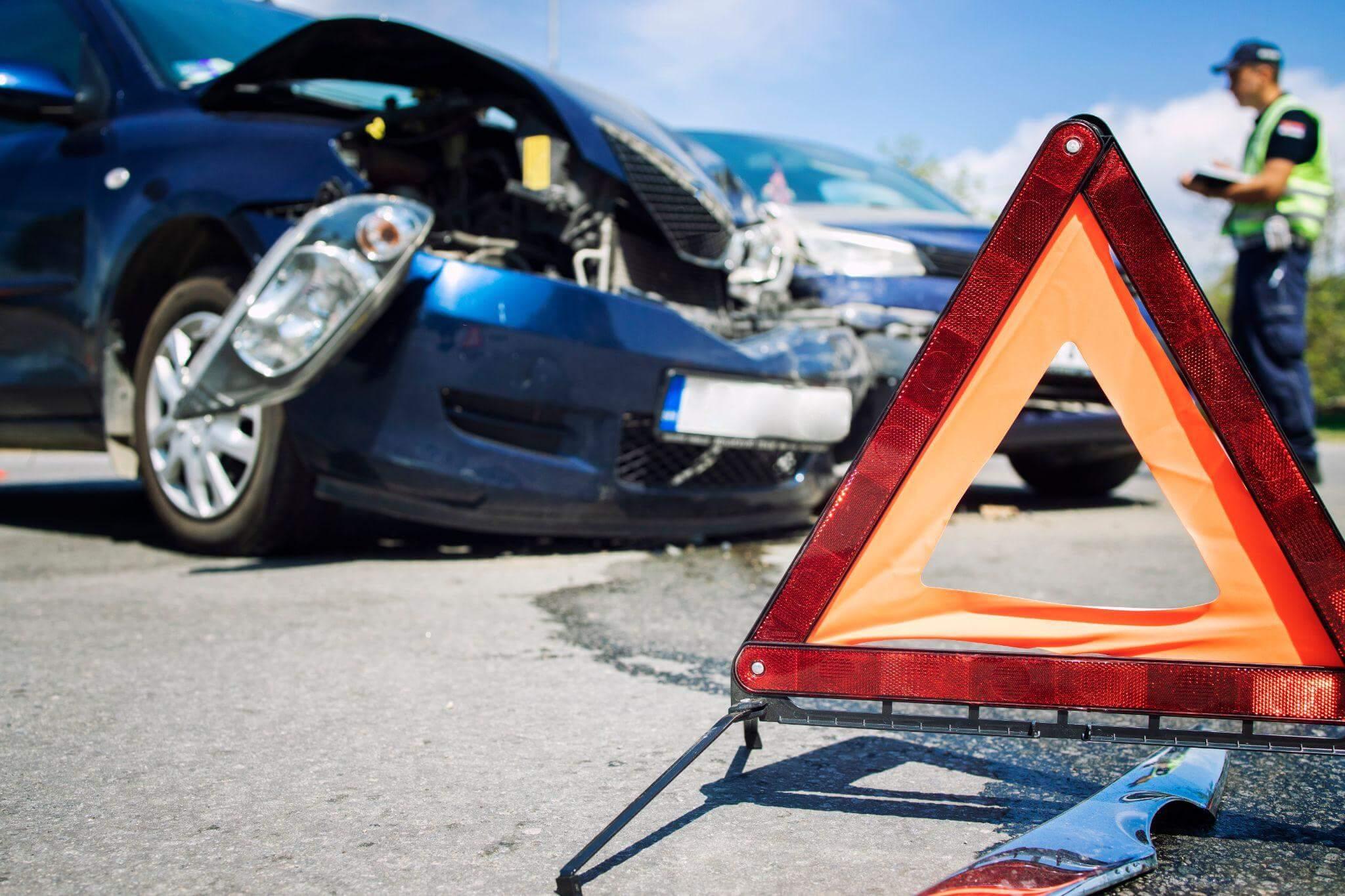
To recover compensation after a car accident in Virginia, you must prove that the other driver’s negligence caused the crash and that you were not even slightly at fault yourself, due to Virginia’s strict contributory negligence rule.
Evidence commonly used to establish fault includes:
- Police reports and traffic citations
- Witness statements
- Photos or videos of the scene, vehicle damage, and injuries
- Traffic or security camera footage
- Expert analysis of skid marks, crash reconstruction, or vehicle data
Insurance adjusters review this evidence when evaluating claims, but if the parties disagree, fault can ultimately be decided in court. Because even 1% of fault can bar recovery, insurers often argue that the injured person shares responsibility to avoid paying.
The attorneys at Montagna Law know how to gather and present evidence to counter these strategies. Our team has helped car accident victims across Hampton Roads build strong cases that demonstrate the other driver’s negligence and preserve their right to compensation.
Who Can You Sue After an Accident in Virginia?
In Virginia, an injured person generally sues the party whose negligence caused the accident. The lawsuit is filed against the at-fault individual or business, not directly against their insurance company. Their insurer, however, is usually the one responsible for paying damages under the policy.
Depending on the circumstances, you may be able to bring a claim against:
- An individual, such as a driver who caused a crash or a property owner who failed to maintain safe conditions.
- An employer or business, if an employee caused the accident while performing work duties.
- A third party, such as a contractor, manufacturer, or other entity, whose negligence contributed to the injury.
Virginia law makes at-fault parties financially responsible for the harm they cause, but most individuals do not have the resources to pay large judgments out of pocket. This is why liability insurance exists. Policies typically cover damages such as medical expenses, lost income, and pain and suffering.
Because identifying the proper defendant is not always straightforward, working with an attorney can help ensure all responsible parties are held accountable. The personal injury attorneys at Montagna Law investigate the facts of each case, determine who may be liable, and pursue claims so accident victims in Hampton Roads can focus on recovery.
What Compensation Can You Recover After a Personal Injury in Virginia?
If you are injured because of another party’s negligence, you may be able to recover compensation for both economic and non-economic losses. The type and amount of damages depend on the circumstances of the case.
Economic damages may include:
- Medical expenses (hospital bills, surgery, medication, rehabilitation)
- Future medical care
- Lost wages and reduced earning capacity
- Property damage, such as vehicle repairs after a car accident
Non-economic damages may include:
- Pain and suffering
- Emotional distress
- Loss of enjoyment of life
Punitive damages are available only in rare cases where the at-fault party acted with extreme recklessness, such as driving under the influence. Under Virginia Code § 8.01-38.1, punitive damages in Virginia are capped at $350,000.
Because every case is different, calculating damages requires a careful review of medical records, financial losses, and the long-term impact of the injury. The attorneys at Montagna Law help accident victims in Hampton Roads pursue fair compensation that reflects the full extent of their injuries.
Deadlines for Filing a Personal Injury Claim in Virginia
Virginia law sets strict deadlines, known as statutes of limitations, for filing personal injury lawsuits. Missing these deadlines can prevent you from recovering compensation, no matter how strong your case may be.
- Personal injury claims: You generally have 2 years from the date of the accident to file a lawsuit (Virginia Code § 8.01-243).
- Wrongful death claims: A lawsuit must be filed within 2 years of the date of death (Virginia Code § 8.01-244).
These deadlines apply to most cases, including car accidents, slip and falls, and other negligence claims. Certain exceptions exist, such as cases involving minors or hidden injuries, but they are limited.
Because time can pass quickly after an accident, it is important to act promptly. Evidence can be lost, witnesses may become harder to locate, and insurance companies often delay to weaken claims. The attorneys at Montagna Law help clients in Hampton Roads file their cases on time and protect their right to pursue compensation.
Start Your Path to Justice and Compensation
Understanding Virginia’s fault system can be difficult, especially when you are trying to recover from an injury. From strict contributory negligence rules to complex insurance requirements, the process can feel overwhelming without legal guidance.
The personal injury attorneys at Montagna Law have been serving clients across Hampton Roads for decades. We take the time to listen, explain your options, and guide you through every step of the claims process.
If you or a loved one has been injured in an accident, contact Montagna Law today at 757-622-8100 or through our online form to schedule your free consultation today.