

Virginia Spousal Support Attorneys
Table of Contents
Spousal support, also called alimony in Virginia, provides financial assistance to a spouse who cannot maintain their standard of living after divorce. It helps the lower-earning spouse move toward self-sufficiency while maintaining financial balance between both parties.
Disputes over spousal support can become complex, especially when tied to property division, child custody, or child support. During these challenging times, it helps to have a Virginia family law attorney who can guide you through the process and protect your financial interests.
At Montagna Law, our divorce attorney helps clients throughout Hampton Roads seek fair, reasonable spousal support arrangements that reflect their financial needs and rights under Virginia law.
Work With Montagna Law’s Spousal Support Attorneys
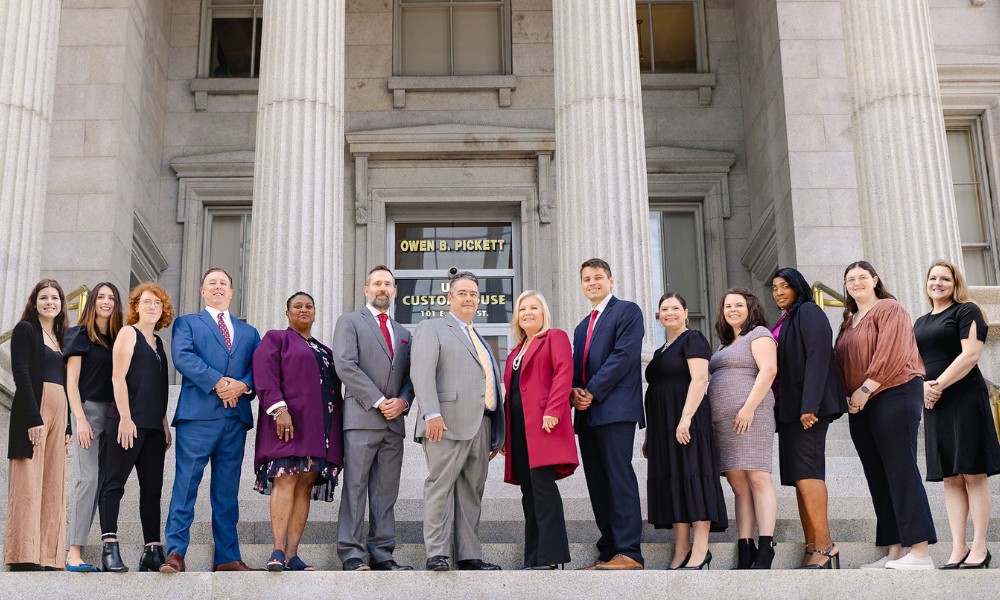
At Montagna Law, we know that financial concerns can add stress during a divorce. Spousal support decisions often shape your long-term financial stability, which is why we take the time to understand your unique circumstances and goals. Our divorce attorney provides clear guidance on your rights under Virginia law and works closely with you to build a strategy that reflects your needs.
Whether you are requesting support or responding to a claim, we focus on reaching fair, sustainable outcomes that allow you to move forward with confidence. From negotiating agreements to representing you in court when necessary, Montagna Law is here to protect your financial well-being and advocate for your future.
Our Client Testimonials
“Montana Law firm has restored my trust in lawyers. Each time I entered the office,I was greated pleasantly with a smile and hello. It makes you return a smile. Mr Montagna made me fell confident as a client. He asked questions and answered to my understanding. I’m satisfied with the results. I would recommend this firm to family and friends.” — Jacqueline W.
“Sam Bull is so amazing! She never once seemed like she didn’t know what she was doing. She was always confident. She guided me through an almost two long sticky court battle and gave me the best outcome that I didn’t even think I’d be able to get! She was almost always quick to reply. I absolutely love her and her office! Stacy was always warm and welcoming in person and in email/phone if I had a question and needed her immediate response! The entire team is just awesome there! Amenia worked hard and helped me understand what I needed to know throughout the process as well. It’s always so nice to see them all when I walk through the door. The receptionist even is so welcoming and sweet. My 4 year old loves going to say hi to her!” — Christal G.
Meet Our Spousal Support Attorneys

Understanding Spousal Support in Virginia
Spousal support, sometimes called alimony, is financial assistance paid by one spouse to the other after a divorce. It helps the lower-earning spouse meet their financial needs and maintain a reasonable standard of living once the marriage ends.
In Virginia, spousal support can be awarded during divorce proceedings, after the divorce case is finalized, or both. The amount and duration depend on several factors, including each spouse’s income, financial resources, earning capacity, and the length of the marriage. Courts may also consider the circumstances that led to the divorce when determining support.
Types of Spousal Support in Virginia
Under Virginia Code § 20-107.1, the law recognizes several forms of spousal support, depending on each couple’s financial circumstances and the duration of the marriage.
- Lump-sum support: This one-time payment is less common but may be ordered to balance property division or when both parties prefer to settle financial matters immediately rather than through ongoing payments.
- Temporary (pendente lite) support: This short-term support may be awarded while the divorce is pending to help the lower-earning spouse cover living expenses during the proceedings.
- Rehabilitative support: Courts often use this form to provide financial help for a limited time while the receiving spouse gains education, training, or employment needed to become financially independent.
- Permanent support: Although rare, permanent support may be ordered in long-term marriages where one spouse cannot reasonably achieve self-sufficiency, such as when health issues or age significantly limit earning potential.
How Can a Virginia Spousal Support Lawyer Help Me?
A Virginia spousal support lawyer can guide you through every stage of the divorce process, helping you understand your rights and options under state law. At Montagna Law, we take time to review your financial situation, identify your goals, and explain how the court may view your request for support.
Your attorney can also help calculate a fair support amount, negotiate a workable agreement, and prepare all necessary documentation. If your financial situation changes later, such as through job loss, illness, or remarriage, we can help you seek a modification of your support order. Our goal is to make a difficult process more manageable and to protect your financial stability throughout your divorce.
How Long Do You Have to Be Married in Virginia to Receive Spousal Support?
Virginia law does not set a minimum length of marriage to qualify for spousal support. Instead, the court reviews each couple’s financial situation, the length of the marriage, and other factors under Virginia law before deciding whether support is appropriate.
As a general guideline, judges often link the duration of spousal support to the length of the marriage. For example, shorter marriages may result in limited or rehabilitative support, while long-term marriages, especially those lasting 20 years or more, may qualify for longer or even permanent alimony support when justified by age, health, or income differences.
Is Spousal Support Automatically Granted During a Divorce?
Spousal support is not automatically awarded in a Virginia divorce. The court decides whether to grant support after reviewing each spouse’s financial situation and other factors listed in Virginia Code § 20-107.1. These include:
- The duration of the marriage.
- Each spouse’s financial needs and earning ability.
- The resources and assets available to both parties.
- The standard of living established during the marriage.
- Each spouse’s monetary and non-monetary contributions to the family.
- Any evidence of marital misconduct, if relevant to the case.
The court’s goal is to create a fair arrangement that helps the lower-earning spouse maintain stability after the divorce. Depending on the circumstances, support may be temporary, long-term, or denied altogether if not justified by the evidence.
What Virginia Judges Consider When Awarding Spousal Support

When deciding whether to award spousal support, Virginia courts look at many aspects of each couple’s financial and personal situation. Judges consider factors such as:
- The length of the marriage.
- Each spouse’s income, assets, and earning potential.
- Contributions made to the family, both financial and non-financial.
- Each spouse’s education, training, and employment opportunities.
- The standard of living during the marriage.
- The age and physical or mental condition of each spouse.
- Child custody or support responsibilities that affect income or work ability.
Courts may award support as regular payments for a set time or, in limited cases, as a single lump sum. If the receiving spouse remarries, the paying spouse’s obligation usually ends.
A family law attorney can help gather the financial documentation and evidence the court needs to make an informed decision. At Montagna Law, our divorce attorney works with you to present a complete and accurate picture of your finances and advocate for a fair outcome that reflects your needs and contributions.
Can I Receive Spousal Support Before the Divorce Is Final?
Yes. In Virginia, you may receive temporary financial support, known as pendente lite spousal support, while your divorce is still pending. This type of support helps the lower-earning spouse cover essential expenses until the court issues a final decision.
To request temporary support, your attorney can file a motion with the court. Virginia Code § 20-103 allows the court to award temporary spousal support while a divorce is pending. Some local courts may use income-based formulas to help determine fair amounts, but there is no statewide rule that applies to every case. Judges look at both spouses’ income and living expenses to decide what is reasonable until the divorce is finalized.
At Montagna Law, our divorce attorney helps clients prepare clear financial documentation and present their case for temporary support to maintain stability during this challenging time.
At Montagna Law, our divorce attorney helps clients prepare and present strong financial documentation to support their request for temporary relief and maintain stability during this difficult transition.
How Is Long-Term Spousal Support Calculated in Virginia?
Virginia courts do not use a set formula to calculate long-term or permanent spousal support. Instead, judges rely on the factors listed in Virginia Code § 20-107.1, including the length of the marriage, each spouse’s income and earning capacity, and the circumstances that led to the divorce. Courts may also consider marital misconduct, such as adultery or cruelty, when determining whether support is appropriate.
The court determines both the amount and duration of support based on what is fair in each case. Orders can be modified later if there is a major change in financial circumstances, such as job loss, health issues, or remarriage.
At Montagna Law, our divorce attorney helps clients understand how these factors may apply to their situation, prepare accurate financial documentation, and pursue a fair support arrangement that reflects their needs and contributions.
What It Means When the Court Imputes Income
If the court believes a spouse is choosing not to work or is earning less than they reasonably could, it may impute income, meaning it assigns an estimated earning amount based on that person’s skills, experience, and work history.
For example, if a spouse leaves a well-paying job to reduce their support obligation, the court can use their former income when deciding how much support should be paid. This helps prevent either spouse from avoiding financial responsibility and promotes fairness in support decisions.
At Montagna Law, we help clients present accurate evidence about their income and earning potential to make sure the court’s decision reflects their real financial circumstances.
Does Spousal Support Affect Taxes in Virginia?
Under current federal tax law, spousal support payments are no longer tax-deductible for the paying spouse or taxable income for the receiving spouse. This change took effect under the Tax Cuts and Jobs Act of 2017 and applies to all divorce agreements finalized after December 31, 2018.
While these rules simplify tax filing, they can also affect how couples negotiate the amount of spousal support. Because the tax deduction is no longer available, higher-earning spouses may be less willing to agree to large payments, which can make negotiations more challenging.
At Montagna Law, our divorce attorney helps clients understand how these tax rules may affect their spousal support agreement and works to reach fair terms that reflect each party’s financial situation.
Can I Modify a Spousal Support Order?
Yes. Under Virginia Code § 20-109, either spouse may ask the court to modify or end a spousal support order if there has been a material change in circumstances since the original order was entered.
Common reasons for modification include:
- Job loss or a major change in income.
- Serious illness or disability that affects earning capacity.
- A substantial salary increase or bonus.
- Retirement that reduces the payor’s ability to continue payments.
In Virginia, spousal support typically ends if either spouse passes away, the recipient remarries, or the recipient has lived with another partner in a marriage-like relationship for at least one year. The court may also adjust or terminate support if financial circumstances change significantly.
At Montagna Law, we help clients gather the right documentation, present their case clearly, and pursue fair adjustments that reflect their current situation.
How Are Spousal Support Orders Enforced in Virginia?

In Virginia, courts have several ways to enforce a spousal support order if payments are missed or unpaid. Under Virginia law, the court may:
- Issue an income deduction order, requiring an employer to withhold payments directly from the paying spouse’s paycheck.
- Hold the payor in contempt of court, which may result in fines or jail time for willful nonpayment.
- Collect past-due support (arrearages) by placing liens on property, garnishing wages, or seizing funds from bank accounts.
If you are owed unpaid support, Montagna Law can help you file the necessary motions to enforce the court order and recover the payments you are legally entitled to receive.
Talk to a Virginia Spousal Support Attorney Today
Divorce can bring financial uncertainty, especially when it comes to spousal support. Having the right guidance can make a difficult process more manageable. At Montagna Law, our family law attorney helps clients throughout Hampton Roads understand their rights, protect their finances, and pursue fair support arrangements that reflect their unique situations.
You don’t have to handle these challenges alone. Contact Montagna Law today at 757-622-8100 or complete our secure online contact form to schedule a confidential consultation and learn how we can help you move forward with confidence.
Frequently Asked Questions
Can Spousal Support Be Agreed Upon Without Going to Court?
Yes. Spouses can agree to spousal support terms through a written separation or settlement agreement rather than leaving the decision to a judge. The agreement should outline how much support will be paid, how long it will last, and under what circumstances it may change. Once signed and approved by the court, it becomes legally enforceable. An attorney at Montagna Law can help you review or draft this type of agreement to make sure your rights are protected.
What Happens if My Former Spouse Refuses To Pay Spousal Support?
If a court order or written agreement requires payment and your former spouse stops paying, you can ask the court to enforce the order. The court may garnish wages, intercept tax refunds, or hold the payor in contempt of court. The team at Montagna Law can guide you through this process and help you recover missed payments.
Can Spousal Support Be Reinstated After It Ends?
In most cases, once spousal support ends, it cannot be reinstated unless the original court order specifically reserved that right for a set period. For example, a judge might allow a spouse to request future support within a certain timeframe if circumstances change. A family law attorney can review your existing order and explain whether reinstatement or modification may still be possible.

Written By Samantha Bull
Samantha Bull is a family law attorney admitted to the Virginia State Bar. A graduate of Regent University School of Law (2015), she brings compassionate and strategic legal support to divorce, custody, support, and protective order matters. A lifelong Southside Hampton Roads resident, she understands the emotional weight of family law cases and helps clients navigate them with clarity and care.
Do You Know What to Do Following an Auto Accident?
