

No Fees Unless We Win Your Accident Case
"*" indicates required fields

Table of Contents
If you cannot work any longer due to a disabling illness or injury, you need the assistance offered by Social Security disability benefits. Unfortunately, the time between applying for benefits and receiving an answer is several months, possibly even years, if your claim is initially denied and needs to be appealed. In the meantime, you still need food, shelter, and medical care. So, what can you do? Montagna Law knows how financially stressful this waiting period is, so we have compiled a list of resources to support you and your family while your disability application is processed. Read on to learn how you can stay afloat while you wait on your claim and how a dedicated Virginia Social Security disability lawyer can help.
How Long Does It Take to Receive Social Security Disability Benefits?
The Social Security disability, or SSD, process can take a very long time to be decided. When you work with Montagna Law, we will be happy to provide you with updates throughout the process, but it is essential to keep in mind that this can be a slow process. Wait time for a decision is currently averaging eight to twelve months. Our experienced attorneys, however, are able to speed up the process by accessing your file online and directly corresponding with the analyst who is responsible for reviewing your claim.
How Montagna Law Can Help
Filing for needed Virginia Social Security disability benefits can be a complicated process, and the wait for a decision is long and anxiety-inducing. Montagna Law can help to relieve some of that anxiety and even help speed up the decision-making process on your behalf.
We understand precisely how to fulfill the application process and present a case to give a higher chance of success. We have gone through this process many times, as this is our focus, dedication, and passion. We understand how the process works, why claims are denied, and what it takes to put forward the best disability claim possible.
It all starts with completing a faster application, with a compilation of required information and documentation to help bolster your position. We can then access Electronic Record Express (ERE), an online platform that allows us to review aspects of a client’s Social Security file. Our attorneys will regularly review the file for status, see which analyst is assigned to your case, determine if any additional information is needed, and upload documents with confirmation of filing. We will also confidently represent you in the appeals process if needed.
Testimonials
“My experience with Mr Montagna Law firm,Was one of my best experiences! From the receptionist Mrs.Sherry to the paralegal Mrs.Grace! So grateful for the patience they had with and for me getting to different levels in the process.Explaining and breaking things down so I could understand!I would recommend the Montagna Law firm to any and everyone that seek for an attorney.Thank you Mr Montagna,Mr Jackson for all that you done!” — Bernetha H.
“Mr.Montagna was an absolute pleasure on the phone and in person! My friend recommended me to him and I couldn’t have been happier with my decision! Grace was also such a delight to hear from, she always had the best attitude! Mr. Montagna went above and beyond to make sure I would be treated fairly and with that being said if I could give him and Grace 10 stars, I would! Thank you to Montagna law for helping me feel valued!” — Anita C.
Factors That May Impact Your Application
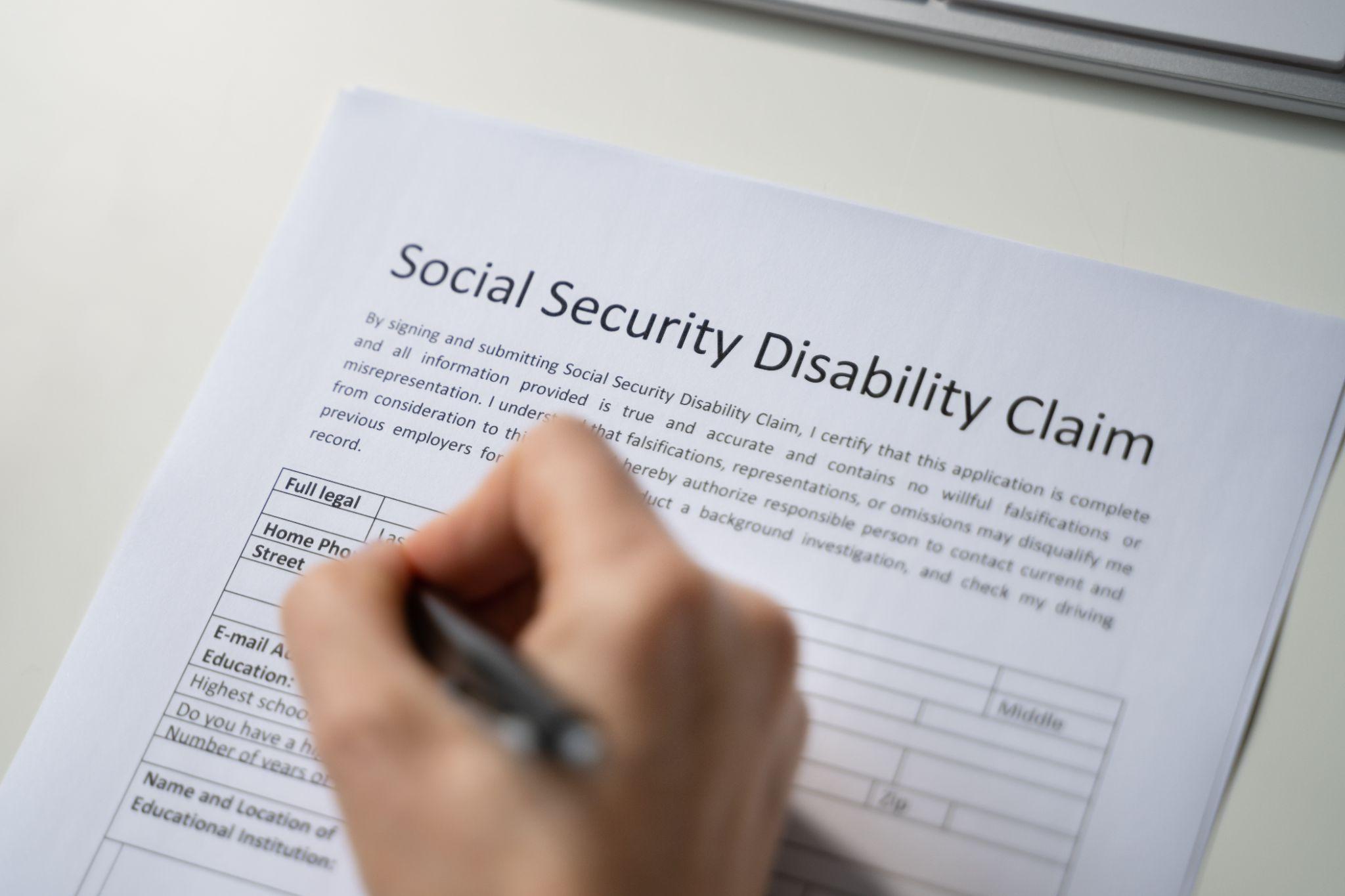
Several elements can affect how the Social Security Administration (SSA) processes your disability claim:
Medical Evidence and Documentation
- Clear, detailed medical records showing your condition’s severity
- Regular doctor visits and treatment history
- Test results, imaging, and specialist reports
- Records of prescribed medications and therapies
Treatment Compliance
- Following your doctor’s prescribed treatments and medications
- Attending scheduled medical appointments
- Participating in recommended therapies
- Documenting any side effects or treatment limitations
Work and Personal Background
- Past work experience and job skills
- Educational background and training
- Age and ability to adjust to different types of work
- Current income levels and returning to work
Application Process
- Complete and accurate application forms
- Meeting all SSA deadlines and requirements
- Prompt responses to SSA information requests
- Proper documentation of all communications
Additional Considerations
- Consistent statements about your condition
- Updated contact information
- Accurate reporting of daily activities
- Documentation of how your condition limits work ability
Missing deadlines, providing incorrect information, or submitting incomplete forms can lead to delays or the denial of your claim. The SSA needs a complete picture of your situation to make an accurate determination.
How Much Can You Earn Without Disqualifying Yourself from SSDI and SSI?
While finding ways to bring in money as you await a benefits decision is often a necessity, it is essential that you know how much you can earn without disqualifying yourself from receipt of SSDI and SSI.
For those seeking benefits under Social Security Disability Insurance (SSDI), the 2025 limit for what you can earn on your own is $1,620 monthly. If you are seeking Supplemental Security Income (SSI) benefits, you can only earn $967 per month in order to avoid disqualification. These limits apply to active income from jobs considered to be substantial gainful activity. To be clear, substantial gainful activity is any physical or mental activity you undertake for substantial monetary gain.
What Income Counts as Earnings for Social Security?
The Social Security Administration (SSA) counts different types of income in different ways. If you’re employed by someone else, your gross wages, including retirement contributions, count toward the earnings limit and are counted when earned, not when paid.
If you’re self-employed, only your net earnings are counted, and only when you receive the income. Income from sources like pensions, annuities, investments, interest, capital gains, and other government benefits does not count toward the SSA earnings cap.
What to Do for Income While Waiting for Disability
The waiting period for disability benefits can present financial challenges. Here are legal ways to maintain income while staying within Social Security Administration guidelines:
Limited Part-Time Work
- Keep earnings below the SSA’s monthly limit ($1,620 for non-blind individuals in 2025)
- Track all hours and income carefully
- Report earnings to the SSA as required
- Consider flexible scheduling to accommodate medical needs
Freelance or Gig Economy
- Take on manageable projects like virtual assistance
- Offer services like pet sitting or online tutoring
- Monitor income to stay under the SSA thresholds
- Document all earnings and expenses
Declutter for Profit
- Sell unused household items through online marketplaces
- Host yard sales or consign items
- Trade collectibles or valuables
- These sales don’t count as earned income
Utilize Extra Space
- Rent out a spare room or garage
- Lease parking spaces
- Store others’ items for a fee
- Document rental agreements and income
Explore Other Assistance Programs
- Apply for SNAP benefits
- Check eligibility for Medicaid
- Contact utility companies about assistance programs
- Research local food banks and charities
- Try returning to work through the SSA programs
- Connect with nonprofits offering emergency grants
Here Are Some Options for Financial Assistance
The wait for disability program benefits can be agonizing and also scary, whether it is just you or if you have a family. Expenses can add up quickly and will eat away at any savings you may have accumulated. You need options for financial assistance during this time.
Knowing where to start seeking help for your particular circumstances can be challenging, however. One way to get started is to see what government relief programs you qualify for by taking a short survey called the Benefit Finder questionnaire. Your responses will lead to suggestions for where you can seek temporary help. Some of these options may include the following.
Seek Emergency Funds and Services for Living Expenses Through TANF
TANF, Temporary Assistance for Needy Families, provides you with emergency funds and services to help cover essential living expenses, including food, shelter, and clothing. To file for TANF, you will need to go through your local Office of Administration for Children and Families. The local agency will consider total projected income as one factor, which can be negatively impacted by your inability to work while waiting on a disability benefit decision.
Help to Avoid Hunger With SNAP
You may want to apply for public assistance in the form of food benefits through the Supplemental Nutrition Assistance Program (SNAP), formerly classified as food stamps. For this, you will need to apply in the state in which you reside and meet specific requirements, including income and asset limits. As a federally funded, needs-based program, approved applicants will receive specific monthly benefits. Administered by the US Department of Agriculture, these benefits can help you stay afloat and feed your family while awaiting disability approval. The amount you receive under SNAP will depend on your determined financial need.
Rely on Private Insurance Disability Payments
If you have them, short-term or long-term disability insurance benefits will be helpful during this waiting period. Short-term disability is an option if you experience a non-work-related illness or accident that leads to your inability to work. You will need to file for these benefits with the private company that owns the policy you previously purchased prior to the disabling condition. From there, you may need to continue on disability and will have to apply and meet the requirements for long-term disability insurance benefits.
Seek Low-Income Health Insurance Through Medicaid
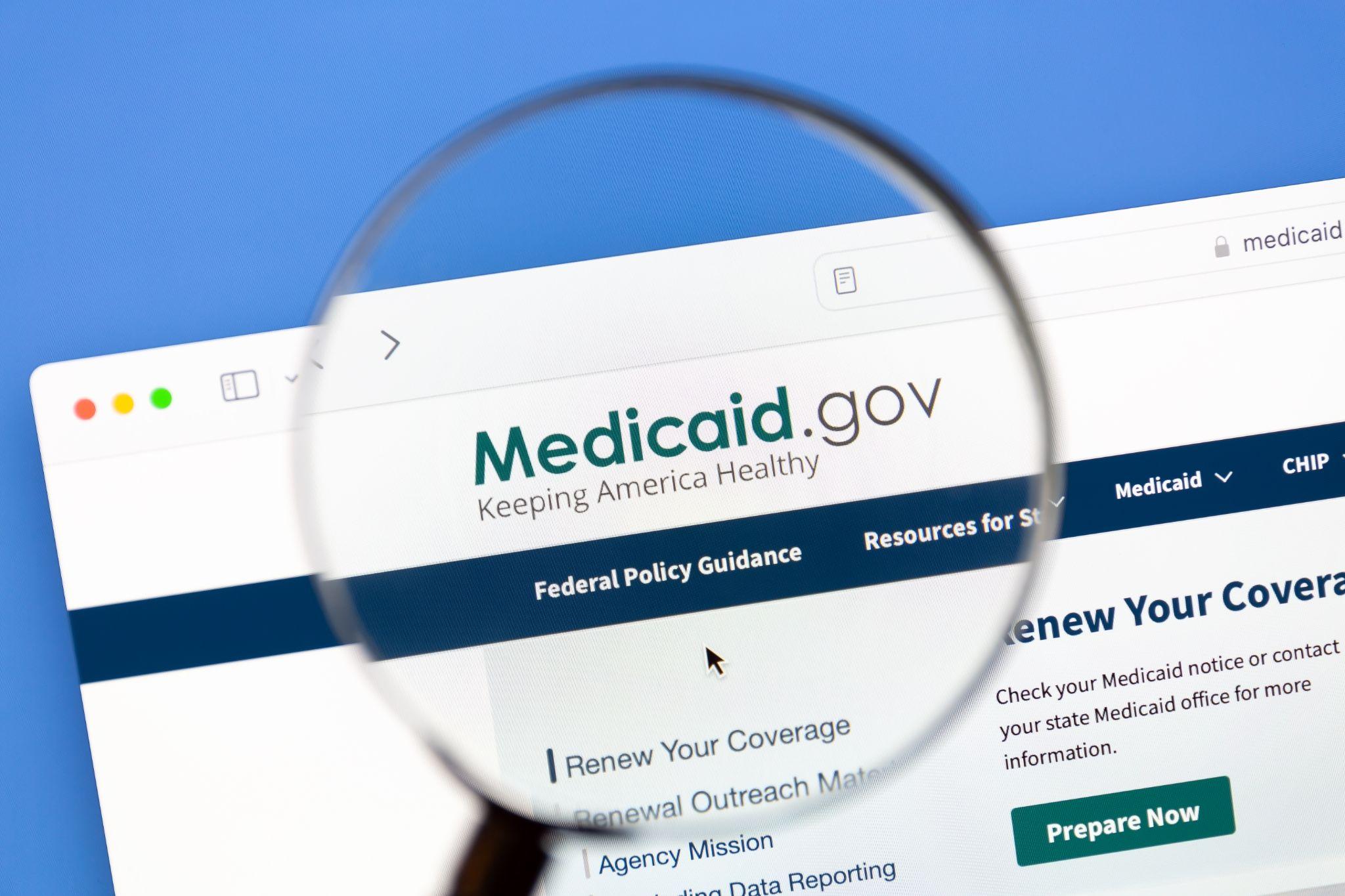
When you are lacking private health insurance and are not eligible for Medicare to cover medical costs while awaiting a disability decision, you may want to apply for Medicaid. Medicaid provides low-income health insurance to those who need it most. To find out more and apply, you can either contact the Medicaid agency for your state or go to healthcare.gov and fill out an application.
Apply for Help With Home Energy Costs Through LIHEAP
Another public assistance program to consider is the Low-Income Home Energy Assistance Program, or LIHEAP. These specific benefits are available to assist lower-income households in meeting their cooling and heating needs. The ways LIHEAP does this are by providing bill payment assistance, funding energy-related home repairs, initiating weatherization programs, and assisting in times of energy crisis. Find and apply through the local LIHEAP program nearest you.
Find Local and National Charities and Donations
Several government programs can help you in the interim, but there are also a number of charities and available donations for those in need. Start by looking around your own city, town, or county for these helpful organizations. You may also want to consider contacting the following as well.
- USDA’s National Hunger Hotline: To find food assistance in your area, call the USDA’s National Hunger Hotline at 1-866-3-HUNGRY. Find a food bank that serves your area. Many of these are smaller, well-run organizations that cater to the local population.
- Meals on Wheels: This program is for seniors who are homebound.
- Catholic Charities: This is a nationwide network of social service agencies and churches that provide resources, cash assistance, and other financial help to those of any background or religion.
- Charity Care: This program is designed to help with healthcare and hospital expenses.
Apply for a Home Equity Line of Credit (HELOC)
If you own a home and equity has built up, one option to help you through the waiting period is to apply for a Home Equity Line of Credit, or HELOC, through an approved lender. This option enables you to benefit from that built-up equity, tapping into it for a set number of years. However, be aware that doing so can be a risky move for many. If you are denied disability benefits, you may not be able to pay the HELOC loan and can end up losing your house. Before pursuing this option, consult with a Virginia disability attorney to understand what may be involved.
Make Use of the Department of Vocational Rehabilitation
State vocational rehabilitation departments offer support for people with disabilities who want to work. These programs provide:
- Job training and skill development
- Work accommodations and assistive technology
- Career counseling services
- Help finding suitable employment
- Short-term financial aid during training
Many participants receive temporary financial support while completing vocational programs. Contact your local office to learn about available services and eligibility requirements.
Reach Out to Your Support System Network
Your personal network may offer temporary financial help:
- Family members might assist with basic expenses
- Friends could provide short-term loans
- Religious organizations often maintain emergency funds
- Community groups may offer direct assistance
- Local charities frequently provide essential supplies
Remember that financial gifts from family and friends don’t affect SSDI eligibility. However, if you’re applying for SSI, monetary gifts could impact your asset limits. Keep records of any assistance received and report it as required by Social Security guidelines.
Why You Should Not Apply For Unemployment While Waiting on Social Security Benefits
While waiting for the decision regarding Social Security benefits, you may be considering applying for unemployment. Before you do, it is imperative that you understand how this can hurt your application for those Social Security benefits. Essentially, applying for unemployment implies that you will eventually be able to work again.
To be eligible for unemployment benefits, you must be physically able to return to the workforce. For your SSDI or SSI benefits application, you must be able to show that you are unable to return to and engage in any defined substantial gainful activity. As you can see, applying for unemployment sends a mixed signal and can result in the denial of Social Security disability benefits.
How to Speed Up the SSDI Application Process
Submit a Complete Initial Application
- Include all medical records and treatment history
- List every healthcare provider you’ve seen
- Add detailed work history information
- Provide accurate contact information
- Attach supporting documentation
Gather Strong Medical Evidence
- Get copies of all test results and imaging
- Request detailed statements from your doctors
- Include specialist evaluations and reports
- Document medication side effects
- Keep a symptom and limitation diary
Follow SSA Protocols
- Meet every deadline
- Answer all SSA requests promptly
- Update contact information immediately
- Sign and return forms quickly
- Keep copies of everything submitted
Monitor Your Application
- Create an SSA online account
- Call your local office monthly
- Keep a log of all communications
- Follow up on pending requests
- Try returning to work while waiting
Frequently Asked Questions
Can I Use Retirement Savings, Such as a 401(k), Without Affecting My Disability Application?
Using your 401(k) or other retirement savings won’t affect your SSDI application. These withdrawals don’t count as earned income. However, if you’re applying for SSI, retirement account withdrawals might put you over the asset limit.
Should I Consider Getting a Personal Loan?
Taking out a personal loan during the disability application process isn’t recommended. If your application gets denied, you’ll face loan payments without guaranteed income to repay them.
Is It Possible to Apply for Early Social Security Retirement While Waiting for Disability?
You can apply for early retirement benefits at age 62 while your disability claim is pending. Remember that choosing early retirement means permanently reduced monthly payments if your disability claim isn’t approved.
What Should I Do if I Have Long-Term Disability Insurance Through My Employer?
File your LTD claim right away. Tell both your insurance company and Social Security about each claim. LTD payments might reduce your SSDI back pay amount.
Does Receiving Cash Gifts or Loans From Family Impact My Disability Application?
Cash gifts don’t affect SSDI applications. For SSI applicants, gifts count toward your asset limit and might affect your benefits. Consider trying work options if gifts aren’t sufficient.
How Can I Find Out Which Government Assistance Programs I Qualify For?
Check Benefits.gov to find programs matching your situation. Visit your local social services office to learn about state and county assistance options. They can help identify programs for food, housing, and medical care.
Make the Wait More Bearable with Montagna Law
While knowing options for what to do for income while waiting for disability benefits is helpful, you also need to consider the best ways to boost your chances of a favorable decision. That is where Montagna Law can help. Whether you are just initiating the process of filing for Social Security disability or have recently received a denial letter, we are here to take this journey with you. Find out how we can help by calling 757-622-8100 or using the online contact form to schedule a free consultation with one of our attorneys. We enthusiastically serve clients residing throughout the Hampton Roads area, including Suffolk, Portsmouth, Chesapeake, Virginia Beach, Newport News, and Norfolk.

Written By Lance Jackson
Lance A. Jackson graduated Cum Laude with a Bachelor of Arts in Humanities at Hamden-Sydney College in 1983, before graduating from the College of William and Mary’s Marshall-Wythe School of Law in Williamsburg in 1986. His areas of practice are Personal Injury Claims, Auto Accident and Trucking Litigation, Jones Act and Maritime Litigation, Third Party Claims and Premises Liability.
Table of Contents
Serious Injuries, Need Mighty Representation
When you’re seriously injured, you need a powerhouse law firm that can outmatch even the toughest insurance companies.
Do You Know What to Do Following an Auto Accident?


