

No Fees Unless We Win Your Accident Case
"*" indicates required fields

Table of Contents
Social Security benefits provide essential support for individuals who cannot work due to a serious medical condition. However, the process of getting approved is not simple, and many first-time applications are denied.
Understanding why denials happen may help you avoid common mistakes and strengthen your claim. With legal support from Montagna Law, you can navigate the application or appeals process with confidence.
Why Work With Montagna Law
Montagna Law has helped individuals across Virginia navigate the Social Security disability process and fight for the benefits they are entitled to receive. Our team understands what the SSA looks for in a claim and how to build a strong case from the start or on appeal.
Whether you’re applying for the first time or facing a denial, we can guide you through the process with clarity, attention to detail, and dedicated legal support. Contact us today to schedule your free consultation.
Testimonials
“Mr. Montagna was an absolute pleasure on the phone and in person! My friend recommended me to him, and I couldn’t have been happier with my decision! Grace was also such a delight to hear from, she always had the best attitude! Mr. Montagna went above and beyond to make sure I would be treated fairly and with that being said if I could give him and Grace 10 stars, I would! Thank you to Montagna law for helping me feel valued!” — Anita C.
“Mr. Jon Montagna’s law firm is absolutely awesome. His team is so compassionate, and straight forward. If you have any questions or concerns they do respond and get back to you in a timely manner. If anyone needs a team that doesn’t mind pulling up there sleeve and getting in the ring well Montagna law firm is the right one for you. 🥰” — Sharona W.
Common Reasons for Disability Denial
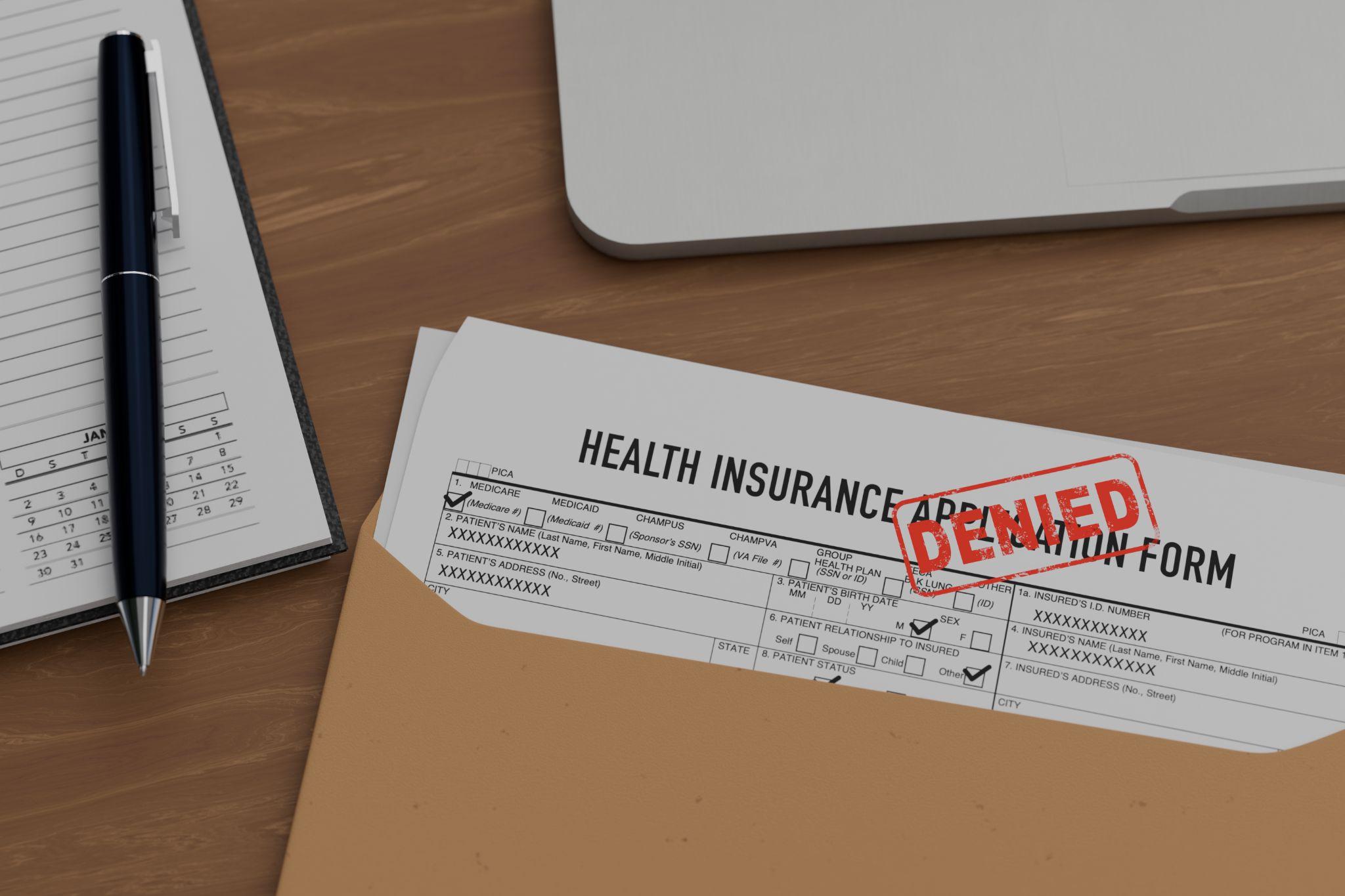
Denials of Social Security Disability Insurance (SSDI) or Supplemental Security Income (SSI) benefits are common in Virginia and often result from correctable errors or missing information. Understanding the most frequent reasons for denial can help you prepare a stronger initial application.
Failure to Meet Non-Medical Requirements
You must be a U.S. citizen or a qualifying non-citizen.
For SSI, your household income and asset levels must be below federal limits, which are typically $2,000 for individuals and $3,000 for couples. Virginia may offer a small state supplement to monthly payments, but it does not change these financial eligibility thresholds.
For SSDI, you must have worked long enough to earn the required work credits, which is typically five of the last ten years.
Insufficient Medical Evidence and Documentation
Your medical records, including documentation from your healthcare providers, must clearly show that your condition prevents you from engaging in substantial gainful activity (SGA).
In Virginia, SSA decision-makers rely heavily on diagnostic tests, doctor statements, and compliance with treatment plans that meet federal disability guidelines.
Failure to Follow Prescribed Treatment
If you do not follow your doctor’s treatment plan without a valid reason, such as cost concerns, side effects, or religious beliefs, the SSA may determine that your condition could improve with proper care and deny your claim. However, valid reasons for noncompliance must be considered.
Lack of Cooperation During the Application Process
Failing to attend medical exams scheduled by the SSA or ignoring requests for documents may lead to a denial due to insufficient information.
Not Enough Work Credits
To qualify for SSDI, most adults need at least 40 work credits, including 20 credits earned in the 10 years leading up to the start of their disability. Younger workers may qualify with fewer credits, depending on their age at the time of disability.
In 2025, you earn 1 credit for every $1,810 in wages or self-employment income, up to 4 credits per year (totaling $7,240 annually). If you have not earned enough credits, you may not be eligible for SSDI.
You Earn Too Much Income to Qualify for SSDI or SSI
If you earn more than the SGA limits, you may not qualify.
In 2025, the monthly SGA limit is $1,620 for non-blind individuals and $2,700 for those who are blind.
Disability Not Expected to Last 12 Months
Your condition must be expected to prevent you from working for at least 12 consecutive months or result in death. Temporary impairments typically do not qualify.
You’ve Had a Previous Denial
Filing a new application with no new evidence may result in another denial. The SSA often reviews previous applications for consistency.
Substance Use Contributing to Disability
If drug or alcohol use is a contributing factor to your condition, the SSA may deny your claim unless you can show that you would still be disabled even if you stopped using. This is known as “materiality”, and the SSA will evaluate whether your condition would remain disabling without substance use.
Criminal Conviction
A criminal conviction that leads to incarceration for more than 30 consecutive days can result in suspension of SSDI benefits under federal law. This is based on federal disability law under 42 U.S.C. § 402(x), which stops payments during periods of confinement after a conviction.
Suspected Fraud
Misrepresenting your condition, submitting false information, or failing to disclose relevant details may result in denial, repayment demands, or legal action.
Social Security Can’t Find You
If the SSA cannot contact you to obtain updates or schedule exams, your application may be denied for lack of follow-up.
Lack of Legal Representation
While not required, working with an experienced Virginia disability attorney can reduce errors and improve the completeness of your application.
What Automatically Disqualifies You for Disability?

Some situations can result in an automatic denial of your Social Security disability application. These include:
- Your condition is not expected to last at least 12 months
- You do not have enough recent work history to qualify for SSDI
- Your current earnings are above the Substantial Gainful Activity (SGA) limits
- You are incarcerated for more than 30 consecutive days following a conviction
- For SSI, your income or assets exceed the program’s financial limits
Common Inconsistency Areas in a Disability Case
Inconsistencies in your application or supporting documents, such as conflicting details about your symptoms, work history, or the type of work you can perform, can lead to a denial of benefits. Common issues include:
- Describing symptoms that differ from your medical records
- Work history that does not match SSA or tax documents
- Inaccurate information about your job duties or work schedule
- Conflicting statements between your personal report and your doctor’s evaluation
- Employer feedback that contradicts your claimed limitations
These types of discrepancies can raise credibility concerns with the SSA. A Social Security disability attorney at Montagna Law can help identify and correct inconsistencies before you submit your claim. Our team reviews your medical records, employment history, and application materials to present a clear and consistent picture of your disability.
Steps to Take After a Social Security Disability Denial
Receiving a denial of your initial disability application can be discouraging, but it is also common. Taking the right steps after a denial is important to keep your case moving forward and protect your eligibility for benefits.
Understanding the Denial Letter
When you receive a denial letter from the Social Security Administration (SSA), it will include the reason your claim was denied. In Virginia, this may relate to missing medical documentation, insufficient work history, or failure to meet federal disability criteria.
If anything in the denial letter is unclear or seems incorrect, a disability attorney at Montagna Law can review it with you. We can help interpret the SSA’s explanation and determine what additional information or action is needed for a successful appeal.
Gathering Additional Evidence for Your Social Security Disability Claim Appeal
To strengthen your appeal, gather updated or missing evidence that supports your disability. This may include:
- Medical records that clearly show your diagnosis, medical treatment history, and functional limitations
- Written statements from your doctors explaining how your condition affects your ability to work
- Test results or imaging that confirm the severity of your condition
In Virginia, a treating physician’s opinion can carry significant weight. Montagna Law can help identify the specific records and evidence that the SSA needs to reconsider your claim. We’ll also help organize and submit your materials in a way that clearly supports your eligibility under federal guidelines.
Filing an Appeal
You have 60 days from the date of your denial notice to file an appeal, plus an additional 5 days for mailing time. If you miss this window, you may still be able to appeal by showing good cause for the delay. In Virginia, your appeal will follow the standard federal process, which includes up to four stages:
- Reconsideration: A new SSA reviewer will re-examine your claim and any additional evidence. Most reconsiderations are also denied, but they are a required first step.
- Administrative Law Judge (ALJ) hearing: If denied again, you can request a hearing with an ALJ, typically held at a local Virginia hearing office. You’ll present your case and evidence in person or via video.
- Appeals Council review: If the ALJ denies your claim, you may request a review by the Appeals Council. They will examine the decision for legal or procedural errors.
- Federal court: As a final option, you may file a lawsuit in a federal district court in Virginia to challenge the SSA’s denial.
An attorney from Montagna Law can guide you through each stage of the process and advocate for your case at disability hearings and beyond.
Seeking Legal Assistance
Hiring a Social Security disability attorney can increase your chances of success during the appeals process. An attorney at Montagna Law understands the SSA’s standards and how claims are evaluated in Virginia.
We help clients gather the right documentation, meet all filing deadlines, and present a clear case that reflects the true impact of their disability. Having legal representation can reduce the likelihood of errors that may delay or weaken your claim.
How An Attorney Can Help You Appeal a Denied Claim
A Social Security disability lawyer plays a key role in the appeals process. At Montagna Law, we can:
- Review your denial letter and explain what went wrong
- Identify missing records or information that could strengthen your appeal
- Help you obtain updated medical evidence and written support from your doctors
- Prepare you for hearings and represent you before the Administrative Law Judge
- Communicate directly with the SSA on your behalf to keep your appeal on track
Our legal team works to present a complete and accurate picture of your disability, helping you avoid avoidable setbacks and improve your chance of approval.
Frequently Asked Questions
Why Do I Keep Getting Denied for SSDI or SSI in Virginia?
You may be denied benefits due to a lack of detailed medical evidence, earning income above the Substantial Gainful Activity (SGA) limit, failing to follow treatment plans, or not responding to SSA requests. Prior denials without new evidence can also hurt your chances. A Virginia disability attorney can review your claim and help you address specific issues that may be causing the denial.
What Do Disability Judges Look for in Virginia SSDI or SSI Cases?
Disability judges evaluate whether your medical condition meets the SSA’s definition of disability and prevents you from working at a substantial level. They review medical records, physician statements, test results, and your treatment history. Judges also consider your work background and whether you meet the technical requirements of the program based on federal law, as applied in Virginia.
Can You Receive SSI and SSDI at the Same Time?
Yes. If you meet the work history requirements for SSDI and the income and asset limits for SSI, you may qualify for both programs at once. This is known as receiving “concurrent benefits.” However, your SSDI payment may reduce the amount you receive from SSI based on total income limits.
Start Your Disability Appeal With Support. Schedule Your Free Case Evaluation Today.
If a medical condition is preventing you from working, you may be eligible for Social Security Disability benefits. Unfortunately, many applicants in Virginia are denied, even if they meet the program’s core requirements.
At Montagna Law, we offer a free case review to help you understand your next steps, whether you’re applying for the first time or appealing a denial.
Call us today at 757-622-8100 or fill out our online contact form to connect with our team.

Written By Lance Jackson
Lance A. Jackson graduated Cum Laude with a Bachelor of Arts in Humanities at Hamden-Sydney College in 1983, before graduating from the College of William and Mary’s Marshall-Wythe School of Law in Williamsburg in 1986. His areas of practice are Personal Injury Claims, Auto Accident and Trucking Litigation, Jones Act and Maritime Litigation, Third Party Claims and Premises Liability.
Table of Contents
Serious Injuries, Need Mighty Representation
When you’re seriously injured, you need a powerhouse law firm that can outmatch even the toughest insurance companies.
Do You Know What to Do Following an Auto Accident?


