

No Fees Unless We Win Your Accident Case
"*" indicates required fields

Table of Contents
Navigating the Social Security disability application process can be complex. You may face extensive paperwork, medical examinations, and administrative steps. These challenges can be especially taxing when you are already managing serious medical conditions, making the process physically and emotionally draining.
The disability claim process often includes denials and multiple appeals. Working with a Virginia disability attorney can improve our chances of a successful application or appeal.
If these issues are not resolved, they can worsen. The Social Security Administration (SSA) may be skeptical of applications that lack proper documentation or are poorly presented, leading to a higher rate of SSDI denials. The financial impact of not receiving benefits can make an already difficult situation even harder.
Given the complexities and the stakes involved, hiring a Virginia Social Security disability lawyer is highly recommended. At Montagna Law, we understand Virginia disability law and can help streamline your application or appeal a SSDI denial by presenting your case effectively.
Who Qualifies for Social Security Disability Insurance?
Social Security Disability Insurance (SSDI) requires you to meet specific medical and work-related criteria. To qualify, you must have a medical condition that:
- Prevents you from performing substantial gainful activity (SGA)
- Is expected to last at least one year or result in death
- Is supported by medical evidence
You also need a sufficient work history, typically having worked five out of the last ten years before your disability began, and earned enough Social Security work credits through payroll contributions.
SSDI is designed for working-age individuals who can no longer work due to severe medical conditions. This differs from Supplemental Security Income (SSI), which is a needs-based program for people with limited work history and very low income and resources.
The Social Security Administration reviews each application individually, examining your medical condition and work history to determine your eligibility for disability benefits in Virginia.
Why Work With Montagna Law
At Montagna Law, we provide personalized, one-on-one attention with the legal resources to handle any opponent. Every case matters to us. Our deep roots in Hampton Roads – Virginia Beach, Chesapeake, Norfolk & Newport News – give us a strong understanding of local courts, people, and challenges, allowing us to guide clients through difficult legal issues with both strength and sensitivity.
We take pride in delivering real results that matter, from six-figure personal injury settlements to life-changing Social Security Disability approvals. Most of our clients come from referrals, reflecting the trust and relationships we build. With Montagna Law, you get service backed by big-firm power and a reputation built on compassion, advocacy, and proven success.
Testimonials
“Mr.Montagna was an absolute pleasure on the phone and in person! My friend recommended me to him and I couldn’t have been happier with my decision! Grace was also such a delight to hear from, she always had the best attitude! Mr. Montagna went above and beyond to make sure I would be treated fairly and with that being said if I could give him and Grace 10 stars, I would! Thank you to Montagna law for helping me feel valued!” — Anita C.
“Montana Law firm has restored my trust in lawyers. Each time I entered the office,I was greated pleasantly with a smile and hello. It makes you return a smile. Mr Montagna made me fell confident as a client. He asked questions and answered to my understanding. I’m satisfied with the results. I would recommend this firm to family and friends.” — Jacquelyn W.
“We have a 10 plus year relationship. I am always satisfied with the end results. Thank you all for your help through the year.” — Jennifer P.
What Are the Requirements for Disability in Virginia?
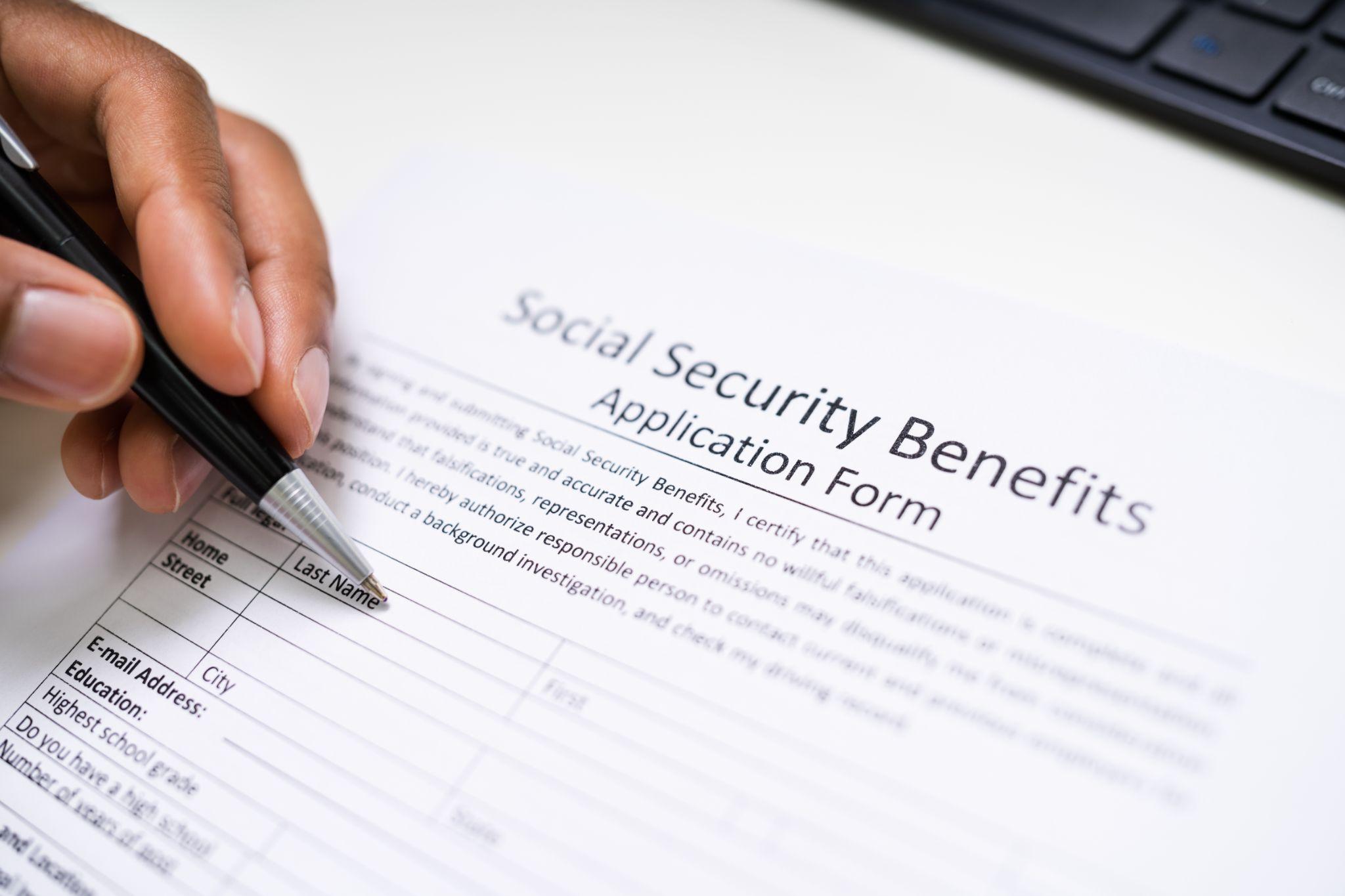
To be eligible for Social Security disability benefits in Virginia, you need to meet specific requirements set by the federal government. Your illness or injury, work history, and age are important factors that directly affect your eligibility to receive benefits.
Health Requirements
To qualify for disability benefits in Virginia, you must have a severe, long-term medical impairment. The Social Security Administration (SSA) maintains a comprehensive Listing of Impairments, known as the “Blue Book,” which details conditions considered disabling. Your impairment must either be listed in the Blue Book or be medically equivalent in severity to a listed condition.
The SSA requires that your condition:
- Is expected to last at least 12 months or result in death
- Significantly limits your ability to perform basic work activities
Medical evidence is central to your application and may include:
- Detailed medical records from your healthcare providers
- Doctor evaluations and diagnostic test results
- Statements about your functional limitations, describing how your condition affects your daily activities and ability to work
The SSA evaluates not just your diagnosis but also how your impairment limits your physical or mental capabilities. They review your ability to perform work-related tasks, such as sitting, standing, lifting, remembering instructions, or interacting with others.
Disability Meeting Criteria
Illnesses and injuries that prevent you from performing your job may qualify for disability. A good rule of thumb is to consider whether your condition is expected to last at least 12 months or could lead to death. These types of impairments are considered “severe.”
The SSA provides a list of severe disabilities on its website. However, simply having a qualifying condition is only part of the process. You must meet all eligibility criteria and provide strong evidence to support your claim. Working with a Virginia disability attorney can help you present a more effective case.
Work History
Another requirement for SSDI is having enough Social Security work credits for your age. Adults 31 or older usually need 20 credits earned in the 10-year period that ends when disability begins (about five of the last ten years). Younger workers can qualify with fewer credits. For example, those 24–30 must have credits for working half the time since turning 21, and those under 24 need six credits earned in the three years before disability.
Income Requirements
Disability eligibility also depends on whether you can engage in Substantial Gainful Activity (SGA). SGA measures your work activity and earnings:
- For 2025, the SGA limit is $1,620 per month for non-blind individuals and $2,700 per month for those who are blind.
If your earned income exceeds these limits, you are generally considered able to perform substantial work and may not qualify for SSDI.
The SSA reviews both the nature and type of work you performed, as well as your earnings, to determine if you meet the substantial gainful activity (SGA) limits. Even part-time or less demanding jobs can count as SGA if your income exceeds the threshold. There are also special rules for self-employment and for deducting impairment-related work expenses.
For Supplemental Security Income (SSI), unearned income—such as investments or financial support from others—can also affect your eligibility and benefit amounts.
Be Under the Age of 67
Age also affects your eligibility. While it is not impossible to receive disability benefits if you are under 50, it can be more difficult. The SSA uses different standards for older applicants:
- Ages 50–54
- Ages 55–59
- Over age 60
Generally, the older you are, the greater your chances of approval. Once you reach your full retirement age (FRA) — between 66 and 67, depending on birth year — SSDI is no longer available because any disability benefit converts automatically to your Social Security retirement benefit.
Losing Social Security Disability Benefits
SSDI benefits are not guaranteed for life. Several situations can lead to benefits ending:
- Medical improvement: If your health improves and you no longer meet the SSA’s definition of disability, your benefits may stop. The SSA conducts Continuing Disability Reviews (CDRs) at intervals based on the likelihood of improvement: every 6–18 months if improvement is expected, every 3 years if possible, and every 5–7 years if not expected.
- Return to work above SGA: After a nine-month trial work period, you receive a 36-month extended period of eligibility. During that window, any month in which your earnings exceed the SGA limit triggers a suspension of your cash benefit (it is not permanently terminated). If you continue to earn above SGA after the 36-month window, the SSA may end your entitlement.
- Reaching retirement age: When you reach full retirement age (typically 66–67), your SSDI benefits convert to retirement benefits.
- Incarceration: Benefits are suspended after 30 consecutive days of incarceration.
- Non-compliance or fraud: Failing to comply with SSA requirements, such as missing medical checkups, or providing false information, can also lead to termination.
To keep your benefits, you should promptly report any changes in your medical condition, work activity, or legal status, and fully cooperate with SSA reviews and requests for information.
What Medical Conditions Qualify as Disabilities Under SSDI?
The Social Security Administration (SSA) uses its Listing of Impairments, often called the Blue Book, to evaluate disability claims. This guide lists medical conditions across major body systems that may qualify for benefits:
- Musculoskeletal disorders: Back injuries, joint dysfunction, arthritis
- Mental disorders: Depression, anxiety, PTSD, schizophrenia
- Cardiovascular conditions: Heart failure, coronary artery disease
- Neurological disorders: Multiple sclerosis, epilepsy, traumatic brain injury, cerebral palsy, Parkinson’s disease
- Respiratory disorders: COPD, asthma, cystic fibrosis
- Immune system disorders: HIV/AIDS, lupus, rheumatoid arthritis, skin disorders caused by autoimmune disease
- Endocrine disorders: Pituitary, adrenal, parathyroid, or pancreatic gland disorders
- Digestive system disorders: Chronic liver disease, intestinal failure, inflammatory bowel disease
- Urinary disorders: Chronic kidney disease
Even if your condition is not specifically listed in the Blue Book, you may still qualify if it:
- Is medically equivalent in severity to a listed impairment
- Significantly limits your ability to perform basic work activities
- Prevents you from adjusting to other types of employment
Strong medical documentation is essential to prove that your condition meets these standards.
Can I Automatically Qualify for Disability Benefits if I Have a Mental Health Condition?
Mental health conditions do not automatically qualify you for SSDI benefits. Each application is reviewed individually under the SSA’s detailed guidelines. To qualify with a mental health condition, you must show:
- A diagnosed mental disorder from a qualified medical professional
- Significant functional limitations in daily activities, social functioning, or concentration
- Medical documentation demonstrating the severity and duration of your condition
The SSA applies particularly strict criteria for mental disorders. Your application should include:
- Clinical notes from psychiatrists or psychologists
- Records of therapy sessions and treatments
- Medication history and effects
- Hospital records
- Statements from others describing how your condition affects your daily functioning
Even severe conditions such as bipolar disorder, schizophrenia, or major depression require strong supporting evidence. The key is showing that your mental health condition prevents you from maintaining employment at a level considered substantial gainful activity.
What Can You Get From Disability?
Social Security Disability Insurance (SSDI) in Virginia offers several important benefits for qualified recipients:
- Monthly cash payments, which vary based on your earnings history
- Medicare coverage that begins 24 months after your cash-benefit entitlement starts (the five-month SSDI waiting period plus 24 additional months)
- Auxiliary benefits for eligible dependents, such as children under 18 and disabled adult children
Your payment amount is calculated based on your lifetime average earnings covered by Social Security. Generally, the more you paid into the system during your working years, the higher your monthly benefit.
The SSA uses a formula considering:
- Your average indexed monthly earnings
- The length of your work history
- Your contributions through FICA taxes
Your SSDI payments continue until you reach retirement age. At that time, your SSDI benefits automatically convert to Social Security retirement benefits at the same payment amount.
How Do I Apply for Social Security Disability?

You can apply for Social Security disability online, by phone, by mail, or with help from an experienced disability attorney. You will need to provide:
- Your full name
- Social Security number
- Date and place of birth
- Date and age of your current spouse
- Date and age of any former spouses
- Names and birthdays of your minor children
- Bank or financial institution routing and account numbers
Your initial application will also require detailed information about yourself, your illness or injury, and your work history.
Medical information to provide may include:
- Appointment dates
- Names of your doctors or healthcare providers
- Patient ID numbers
- Treatment dates
- List of medications
- Dates of medical tests
- Rehabilitation services
- Other relevant medical records
To be approved, you must have thorough medical evidence to support your claim.
Work-related information you may need includes:
- Your earned salary for this year and last year
- Name and address of your employer
- Start and end dates of military service before 1968 (if applicable)
- Details of any jobs you held in the 15 years before your disabling condition began
Once your application is complete, the Social Security Administration forwards it to Virginia Disability Determination Services (DDS), which is a state agency within the Department for Aging and Rehabilitative Services. Two-person teams made up of a disability examiner and a medical consultant review your records, may request additional tests, and issue the initial medical decision. Thorough evidence up front helps DDS reach a favorable ruling faster.
How Long Does it Take to Start Receiving Disability Payments?
It is difficult to predict exactly how long it will take to start receiving disability payments. Several factors affect the timeline, including where you live and whether your initial claim is approved or denied. If denied, you may need to go through appeals, which can extend the process.
What Is the Average Disability Payment in Virginia?
Disability benefits vary based on your work history and earnings. On average, individuals in Virginia receive about $1,300 per month, but this amount can change. You should not expect a specific payment amount. To understand what you may receive in your case, consult with a knowledgeable Virginia disability attorney for a free consultation.
Can I Appeal an SSD Decision in Virginia?
If your initial disability claim is denied, do not lose hope. The SSA denies most claims on the first application, but you have up to four chances to appeal.
Reconsideration
Your first appeal step is to request a reconsideration by a different disability examiner. You must do this within 60 days of your denial. Approval at this stage is rare, but it is required before moving on. Persistence is key.
Administrative Hearing
If reconsideration is denied, you can request a hearing before an administrative law judge. You must file this request within 60 days of the reconsideration denial. Waiting times can be long, but approval rates improve significantly after a hearing.
Appeals Court
If the judge denies your claim, you may ask the SSA Appeals Council to review it by filing Form HA-520 within 60 days. The council does not review all requests, but it is worth trying.
Federal Court
Your final option is to file a lawsuit in federal district court within 60 days of the Appeals Council decision. Your case will go to the Eastern or Western District of Virginia based on your location.
The appeals process can be lengthy and complex. Working with an attorney can help you prepare and present your case for the best chance of success.
Other Disability Benefits in Virginia
As a Virginia resident, you may qualify for other disability programs in addition to or instead of SSDI. These include Medicaid and Medicare for healthcare coverage. If you meet income limits, you might also qualify for Supplemental Security Income (SSI). Some individuals are eligible for both SSDI and SSI benefits. We can help you explore all your options to find the financial assistance that fits your needs and supports your family.
Benefits of Hiring a Virginia Social Security Disability Attorney
The Social Security disability process can be overwhelming and easy to navigate incorrectly. Having an experienced Virginia Social Security disability attorney by your side offers many benefits. We can:
- Help you complete your SSDI application accurately
- Assist in collecting the right and sufficient medical documentation
- Help gather supporting evidence
- Monitor the status of your application
- Assist with appeals, since most cases are initially denied
- Represent you at Social Security hearings
Working with a Virginia disability law firm like Montagna Law improves your chances of a favorable decision. We provide guidance, legal advice, and resources to help you receive the benefits you deserve.
Frequently Asked Questions
What Is the Most Approved Disability?
The most commonly approved disability conditions in Virginia are musculoskeletal disorders, such as back injuries and arthritis. Mental health disorders, including depression and bipolar disorder, are also frequently approved. These conditions usually have strong medical documentation and clear functional limitations that affect your ability to work.
What Is Compassionate Allowance?
Compassionate Allowance is a Social Security Administration program that fast-tracks disability applications for people with the most serious medical conditions. This program allows applicants with certain severe or terminal illnesses to receive approval in weeks instead of months or years by bypassing much of the standard review process.
Can Veterans Receive Disability Benefits Through the VA in Virginia?
Yes, veterans in Virginia can receive disability benefits through the Department of Veterans Affairs for service-connected conditions. Common VA disability claims include tinnitus, PTSD, and hearing loss. Veterans may also qualify for both VA disability and SSDI benefits if they meet the eligibility requirements for each program.
Can Multiple Medical Conditions Increase My Chances of Qualifying?
Yes, having multiple medical conditions can improve your chances of qualifying for disability benefits. The SSA evaluates the combined effect of all your impairments, not just each one individually. Even if no single condition meets the criteria, the combined impact may be disabling if it significantly limits your ability to work. Strong medical documentation is essential to show how your combined conditions affect your ability to perform substantial gainful activity.
Can I Receive Disability Benefits if My Condition Is Expected to Improve Within a Year?
No, you generally cannot receive disability benefits if your condition is expected to improve within 12 months. The SSA requires that your impairment be expected to last at least 12 consecutive months or result in death to qualify. If your condition is likely to improve sooner, you are not eligible for SSDI benefits.
Need Help Navigating Your Social Security Disability Claim? Contact Our Virginia Attorneys Today.
At Montagna Law, we know how overwhelming living with a disability can be, especially when faced with the complex Social Security Disability Insurance process. You don’t have to face this challenge alone. Our compassionate attorneys are ready to guide you every step of the way, helping you access the benefits you need to support yourself and your family.
Getting approved for disability benefits can ease financial stress by covering medical bills and replacing lost income. Let us put our experience to work for you. Call us today at 757-622-8100 or fill out our convenient online form to connect with a member of our legal team who will listen, understand, and take action on your behalf. We proudly serve all of Hampton Roads, including Norfolk, Virginia Beach, Chesapeake, Portsmouth, and Suffolk.

Written By Lance Jackson
Lance A. Jackson graduated Cum Laude with a Bachelor of Arts in Humanities at Hamden-Sydney College in 1983, before graduating from the College of William and Mary’s Marshall-Wythe School of Law in Williamsburg in 1986. His areas of practice are Personal Injury Claims, Auto Accident and Trucking Litigation, Jones Act and Maritime Litigation, Third Party Claims and Premises Liability.
Table of Contents
Serious Injuries, Need Mighty Representation
When you’re seriously injured, you need a powerhouse law firm that can outmatch even the toughest insurance companies.
Do You Know What to Do Following an Auto Accident?


